The layout and structure of the places we live in influence far more than convenience—they impact emotions, trust, and overall perception of security. This is why neighborhood design plays such a powerful role in shaping how residents experience their surroundings. A thoughtfully designed community can foster comfort, connection, and peace of mind, while a poorly designed one may increase anxiety or a sense of vulnerability. As urban planners, researchers, and citizens increasingly focus on creating safe and inclusive environments, community safety has become central to conversations about how neighborhoods should be built or improved. Understanding the psychological, social, and environmental effects of design helps reveal why safety begins long before anyone steps outside their front door.
The relationship between physical layout and safety
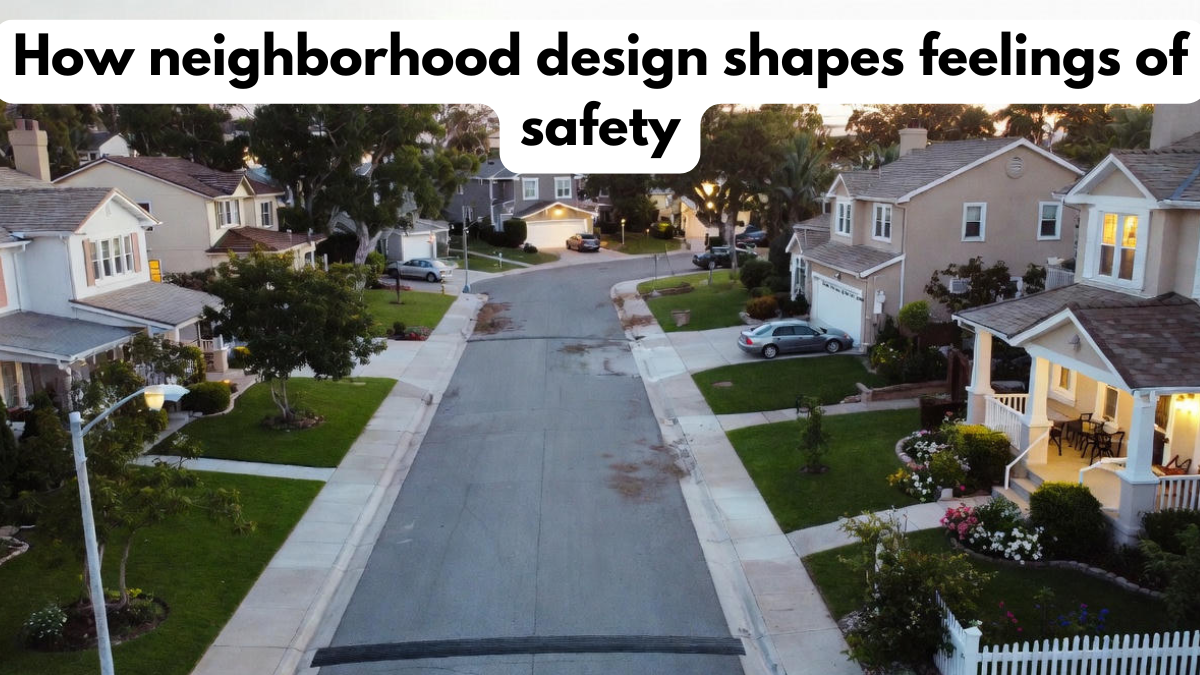
One of the strongest influences on neighborhood design is the physical layout of streets, buildings, and shared spaces. Wide sidewalks, open views, good lighting, and organized pathways all contribute to a sense of comfort. When people can clearly see their surroundings, they feel more aware and less vulnerable. This perception directly supports community safety, reducing fear and encouraging more residents to participate in public life.
Research shows that neighborhoods with walkable layouts experience higher levels of social interaction, which strengthens safety organically. When more eyes and ears are present in public spaces, communities naturally become more watchful and connected. Good design enhances visibility, reduces hiding spots, and signals that the environment is well cared for—a critical factor influencing how safe residents feel in their daily routines.
How environmental cues impact emotional well-being
Environmental psychology reveals that seemingly small design choices can influence how people feel. Elements such as greenery, building colors, street width, and open space all contribute to the overall atmosphere. In neighborhood design, these cues play important roles in emotional stability and perceived community safety. For instance, parks and green areas reduce stress, improve mood, and encourage families and neighbors to gather. When people see others using outdoor spaces, they feel reassured that the area is active and welcoming.
In contrast, poorly maintained or neglected environments often evoke discomfort. Overgrown vegetation, broken streetlights, or abandoned buildings can signal disorder, raising concerns about safety. These cues impact how comfortable residents feel walking alone, letting their children play outside, or engaging with neighbors. A positive environment enhances emotional security, while a negative one creates boundaries that limit social interaction.
Table: Key Neighborhood Design Factors That Influence Safety
| Design Factor | Description | Impact on Community Safety |
|---|---|---|
| Lighting | Bright, consistent illumination | Increases visibility and reduces fear |
| Walkability | Sidewalks, paths, and crosswalks | Encourages community presence |
| Green Spaces | Parks, trees, landscaped areas | Improves mood and attracts activity |
| Building Maintenance | Clean, cared-for structures | Signals order and security |
| Street Layout | Clear, open visibility | Reduces hidden areas and risk |
This table demonstrates how simple elements of neighborhood design combine to create environments that support or undermine community safety.
The role of social connection in perceived safety
Safety is not only about physical protection—it is also about how connected people feel to those around them. Social relationships play an essential role in how secure individuals feel in their neighborhoods. Well-designed areas promote interaction by creating natural meeting points such as plazas, parks, front porches, and community centers. These features help residents build trust, familiarity, and mutual support. Stronger relationships reinforce community safety because people are more likely to watch out for one another.
When neighborhoods lack spaces that encourage connection, residents may feel isolated. This isolation can increase fear, reduce participation in public spaces, and weaken the sense of collective responsibility. Effective neighborhood design seeks to bridge these gaps by encouraging shared use of spaces where community bonds can form organically.
Why modern neighborhood planning focuses on safety
City planners and architects today prioritize community safety as a foundational goal. Modern neighborhood design integrates strategic features such as mixed-use developments, safer transport systems, traffic calming measures, and accessible public areas. These improvements reflect shifting values, emphasizing wellness, inclusion, and livability alongside traditional safety measures.
Moreover, smart technology is increasingly incorporated into design, such as sensor-based lighting, community surveillance systems, and digital tools for neighborhood communication. These innovations enhance safety while ensuring residents feel involved in maintaining secure environments. The future of neighborhood planning aims to balance physical safety with emotional comfort, ensuring communities are not only secure but also welcoming and connected.
Conclusion
The relationship between neighborhood design and community safety is undeniable. From lighting and layout to greenery and gathering spaces, every aspect of design shapes how comfortable and secure residents feel. Well-designed environments encourage interaction, reduce fear, and strengthen the sense of belonging essential for thriving communities. As cities grow and evolve, thoughtful design will remain key to creating neighborhoods that support physical protection and emotional well-being. By prioritizing safety, aesthetics, and connection, future neighborhoods can foster environments where people feel confident, supported, and at home.
FAQs
How does neighborhood design influence feelings of safety?
Good design improves visibility, walkability, and maintenance, all of which enhance community safety and reduce fear.
What features make a neighborhood feel safer?
Good lighting, open sightlines, green spaces, and well-maintained buildings contribute to safer and more welcoming neighborhood design.
Why is social connection important for safety?
Social interaction increases trust and community responsibility, naturally improving the sense of community safety.
How can planners improve neighborhood safety?
Planners can focus on walkable areas, green spaces, smart lighting, and community gathering spots to strengthen neighborhood design and safety.
Click here to learn more