Across continents, ancient caves contain some of the earliest artistic expressions created by humankind. These remarkable cave painting discoveries not only display creativity but also provide archaeologists with invaluable clues about how early humans lived, communicated, and understood their world. From symbolic markings to vivid animal depictions, these paintings represent a unique window into the past. By studying them, researchers gain deeper insight into early human behavior, uncovering how our ancestors thought, socialized, and interacted with their surroundings. As new cave sites continue to emerge, each discovery adds to a growing body of knowledge that reshapes our understanding of ancient life.
The Cultural Significance of Cave Paintings
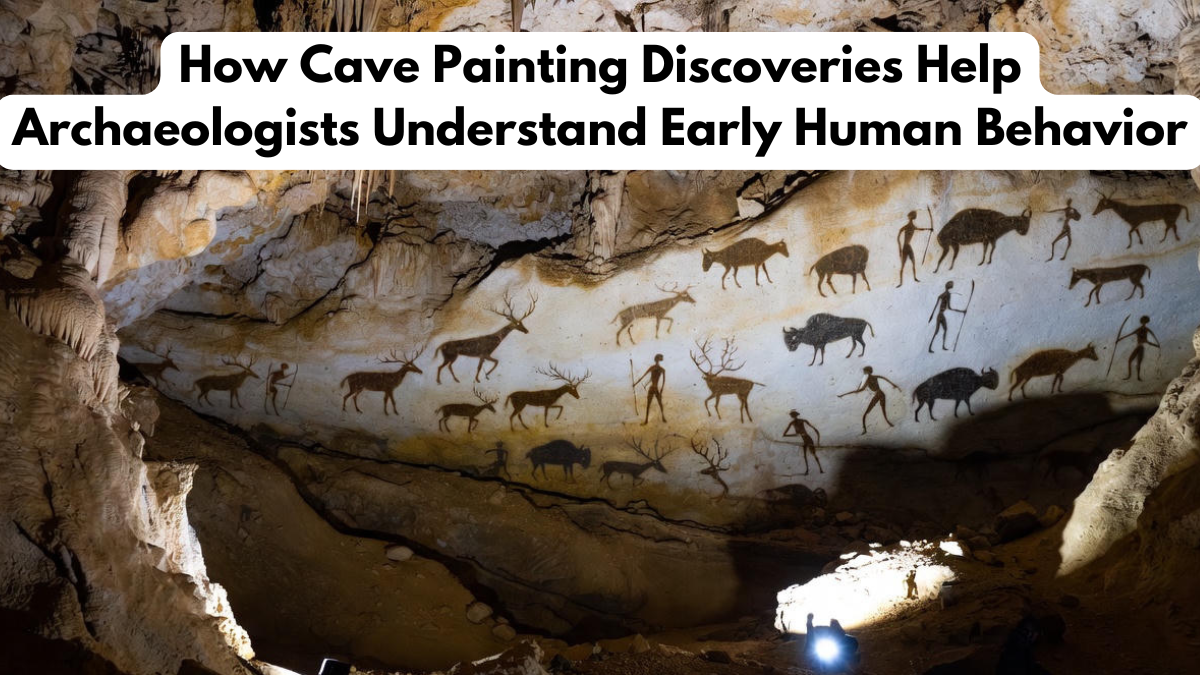
Cave art reveals far more than simple drawings. The sophistication and symbolism found in cave painting discoveries reflect the development of human intelligence, social structure, and artistic expression. These paintings often depict animals, hunting scenes, human figures, and abstract symbols—suggesting that early humans were capable of complex thought and communication.
Such artwork also highlights the importance of storytelling and shared experiences. The presence of recurring symbols, patterns, and techniques indicates that groups passed down knowledge through visual forms. This provides strong evidence that prehistoric societies valued ritual, education, and identity, offering powerful insight into early human behavior and cultural evolution.
What Cave Painting Discoveries Reveal About Human Life
Archaeologists use multiple scientific methods to analyze cave paintings, from radiocarbon dating to pigment analysis. These approaches help determine when the paintings were created and which materials early humans used. Studying the artwork allows researchers to identify tools, hunting patterns, and even spiritual beliefs.
Because many cave painting discoveries appear in deep, hidden chambers, experts believe these spaces served ritualistic or ceremonial purposes rather than daily living areas. This supports theories that prehistoric communities held spiritual practices, celebrated group events, or used caves for teaching younger generations. The detail and placement of these paintings provide valuable information about symbolic thinking, cooperation, and early human behavior.
Major Themes Found in Cave Paintings
While each cave painting site is unique, many share common themes that appear across cultures and continents. The table below highlights frequent motifs found in cave painting discoveries and what they reveal about early human behavior:
| Theme | Description | What It Reveals About Early Humans |
|---|---|---|
| Animal Depictions | Images of bison, mammoths, horses | Indicates importance of hunting and spiritual respect for animals |
| Human Figures | Hunters, dancers, or abstract bodies | Shows social structure, rituals, and group activities |
| Handprints | Stenciled hands on cave walls | Suggests personal identity and symbolic expression |
| Geometric Shapes | Patterns, dots, spirals | Reflects early symbolic thinking and communication |
| Hunting Scenes | Groups chasing prey | Demonstrates teamwork, strategy, and community organization |
These themes reveal that ancient humans were observant, strategic, and emotionally expressive, challenging old assumptions about primitive life.
How Cave Art Helps Scientists Understand Cognitive Development
One of the most important contributions of cave painting discoveries is their impact on understanding human cognitive evolution. The ability to create symbolic art indicates advanced mental processing, imagination, and communication abilities.
Creating accurate depictions of animals or abstract concepts suggests that early humans could think beyond immediate survival needs. They planned, observed, invented tools, and conveyed ideas visually. This level of creativity provides significant insight into early human behavior, showing that our ancestors had strong problem-solving skills and cultural complexity not previously recognized.
In many cases, painting styles evolved over thousands of years, revealing gradual advancements in technique and intellectual development.
New Discoveries and Their Impact on Archaeology
Recent discoveries in Europe, Asia, Africa, and South America continue to reshape archaeological theories. Some cave paintings have been dated to over 40,000 years old, meaning they were created by early Homo sapiens or even Neanderthals. This challenges long-held assumptions about which species first used symbolic communication.
Modern technologies such as 3D mapping and digital pigment analysis allow researchers to document fragile paintings without damaging them. These advancements make cave painting discoveries even more valuable, as they provide clearer evidence about social connections, migration patterns, and early human behavior across the globe.
Conclusion
Cave painting discoveries are among the most important archaeological finds for understanding our ancient past. They reveal how early humans communicated, learned, collaborated, and expressed themselves artistically. These artworks illustrate spiritual beliefs, hunting strategies, and social structures that shaped prehistoric communities. By studying cave paintings, scientists continue to unravel the mysteries of early human behavior, deepening our knowledge of cultural evolution and cognitive development. As ongoing discoveries bring new insights, cave art will remain a vital key to understanding humanity’s earliest stories and shared heritage.
FAQs
What do cave painting discoveries tell us about early humans?
They reveal symbolic thinking, creativity, and complex early human behavior related to culture, hunting, and communication.
How old are most cave paintings?
Some are more than 40,000 years old, making them among the earliest forms of human expression.
Why are animals commonly depicted in cave art?
Animals played central roles in survival and belief systems, influencing early human behavior and rituals.
How do scientists study cave paintings without damaging them?
They use digital tools, 3D mapping, and pigment analysis to protect ancient artwork.
Why are cave paintings important today?
They preserve early cultural stories and provide insights into humanity’s origins and development.
Click here to learn more