For many people, the first response to digital overload is downloading another app to measure it. Screen trackers promise awareness, control, and improvement, yet often add another layer of digital dependency. A quieter shift is emerging as individuals look for ways to reduce screen time without adding more technology into their lives. This approach focuses on reshaping digital habits and embracing a sustainable lifestyle change that restores balance without constant monitoring or guilt-driven metrics.
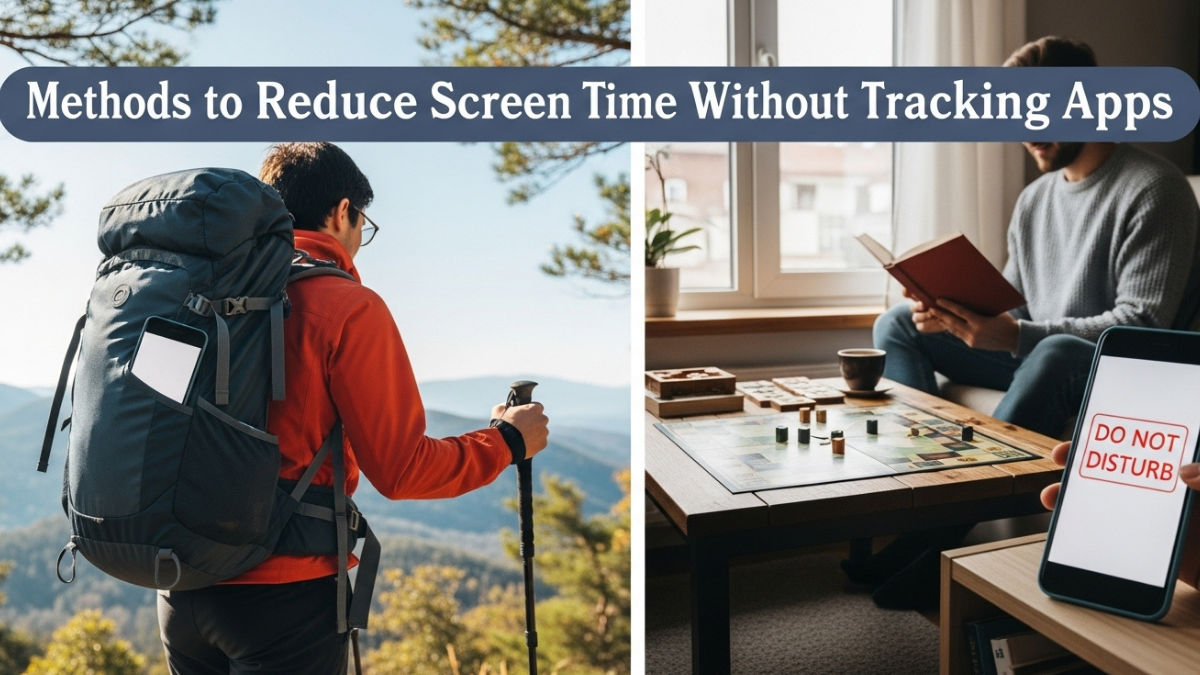
Why Tracking Apps Often Fail To Reduce Screen Time
Tracking tools create awareness, but awareness alone rarely leads to lasting change. Many people check usage reports briefly, feel momentary concern, and then return to the same behaviors. This cycle reveals why relying on apps to reduce screen time can be ineffective. Data does not automatically translate into discipline or intention.
Another limitation is psychological fatigue. Monitoring every minute increases mental load and reinforces screen obsession. Instead of supporting healthier digital habits, tracking apps can amplify fixation. A meaningful lifestyle change requires structural adjustments rather than continuous self-surveillance.
Understanding The Root Causes Of Excessive Screen Use
To reduce screen time sustainably, it is essential to understand why screens dominate attention. Most screen use is habitual rather than intentional. Notifications, boredom, emotional escape, and social validation drive unconscious behavior. These patterns are deeply embedded in daily digital habits.
Addressing the root causes shifts focus from restriction to redesign. When environments and routines change, screen use naturally declines. This perspective reframes screen reduction as a lifestyle change rather than a battle against temptation.
Reshaping Digital Habits Without Monitoring Tools
Healthy digital habits emerge from friction and intention, not measurement. Small environmental changes can significantly reduce screen time without tracking anything. These adjustments remove triggers rather than relying on willpower.
Effective habit-shaping strategies include:
- Keeping phones out of bedrooms
- Disabling non-essential notifications
- Creating screen-free zones at home
- Replacing idle scrolling with offline defaults
- Structuring time blocks for focused activity
These changes reduce impulsive usage and encourage mindful interaction. Over time, consistent adjustments lead to a lasting lifestyle change without constant oversight.
Lifestyle Change Through Intentional Substitution
One of the most effective ways to reduce screen time is substitution rather than elimination. Removing screens without replacing the behavior leaves a void that often pulls users back. A sustainable lifestyle change introduces low-stimulation alternatives that meet the same needs.
Offline activities such as reading, walking, journaling, or quiet hobbies satisfy boredom and stress without digital overload. As digital habits shift, the brain relearns how to rest without stimulation. This gradual transition builds resilience and makes reduced screen use feel natural rather than forced.
Comparing App-Based Tracking And Habit-Based Change
A comparison highlights why habit-focused strategies outperform tracking tools.
| Aspect | Tracking Apps | Habit-Based Lifestyle Change |
|---|---|---|
| Focus | Measurement | Behavior redesign |
| Mental load | High | Low |
| Sustainability | Short-term | Long-term |
| Dependence | App-based | Self-directed |
| Screen time reduction | Inconsistent | Stable |
This comparison shows that to truly reduce screen time, structural changes to digital habits are more effective than monitoring usage statistics. A genuine lifestyle change removes the need for constant measurement.
The Role Of Environment In Screen Reduction
Physical environment strongly influences behavior. Screens are harder to resist when they are always visible and accessible. Reduce screen time becomes easier when devices are stored intentionally rather than left within reach.
Designing environments for focus supports healthier digital habits. Simple changes such as charging phones outside the bedroom or using physical clocks reduce dependency. These adjustments reinforce lifestyle change by aligning surroundings with intentional living.
Social And Cultural Influences On Digital Habits
Screen use is not just individual behavior; it is socially reinforced. Constant availability, rapid responses, and online presence are often expected. Challenging these norms is essential to reduce screen time without isolation.
Setting expectations with peers and colleagues supports healthier digital habits. When people normalize delayed responses and offline time, lifestyle change becomes socially sustainable. Cultural permission to disconnect is as important as personal discipline.
Long-Term Benefits Of Reducing Screen Time Naturally
Over time, individuals who reduce screen time without tracking tools report improved focus, better sleep, and stronger emotional regulation. Without constant alerts, attention becomes deeper and more intentional. These outcomes reinforce the value of reshaping digital habits rather than policing them.
This approach supports a holistic lifestyle change where screens serve specific purposes rather than filling every idle moment. The result is not disconnection from technology, but a healthier relationship with it.
The Future Of Screen Reduction And Lifestyle Design
As digital fatigue becomes widespread, more people will seek ways to reduce screen time without adding more apps or rules. This shift emphasizes autonomy and self-awareness over metrics. Designers, educators, and employers are beginning to recognize the value of intentional digital habits.
Future lifestyle design may prioritize calm, focus, and presence. In this environment, lifestyle change becomes proactive rather than corrective, supporting well-being before burnout occurs.
Conclusion
Choosing to reduce screen time without tracking apps reflects a deeper commitment to intentional living. By reshaping digital habits and embracing thoughtful lifestyle change, individuals regain control without constant monitoring. Sustainable screen reduction is not about counting minutes but about redesigning daily life to support focus, rest, and balance. In a world of endless stimulation, simplicity becomes the most effective solution.
FAQs
How can I reduce screen time without using apps?
You can reduce screen time by changing environments, disabling notifications, and reshaping daily digital habits.
Why don’t tracking apps always work?
Tracking apps increase awareness but often fail to change behavior or support long-term lifestyle change.
What are healthy digital habits?
Healthy digital habits involve intentional use, limited notifications, and clear boundaries around screen time.
Is reducing screen time a lifestyle change?
Yes, lasting reduction requires a lifestyle change rather than short-term restriction.
Can reducing screen time improve well-being?
Yes, it often improves focus, sleep quality, and emotional balance over time.
Click here to learn more